
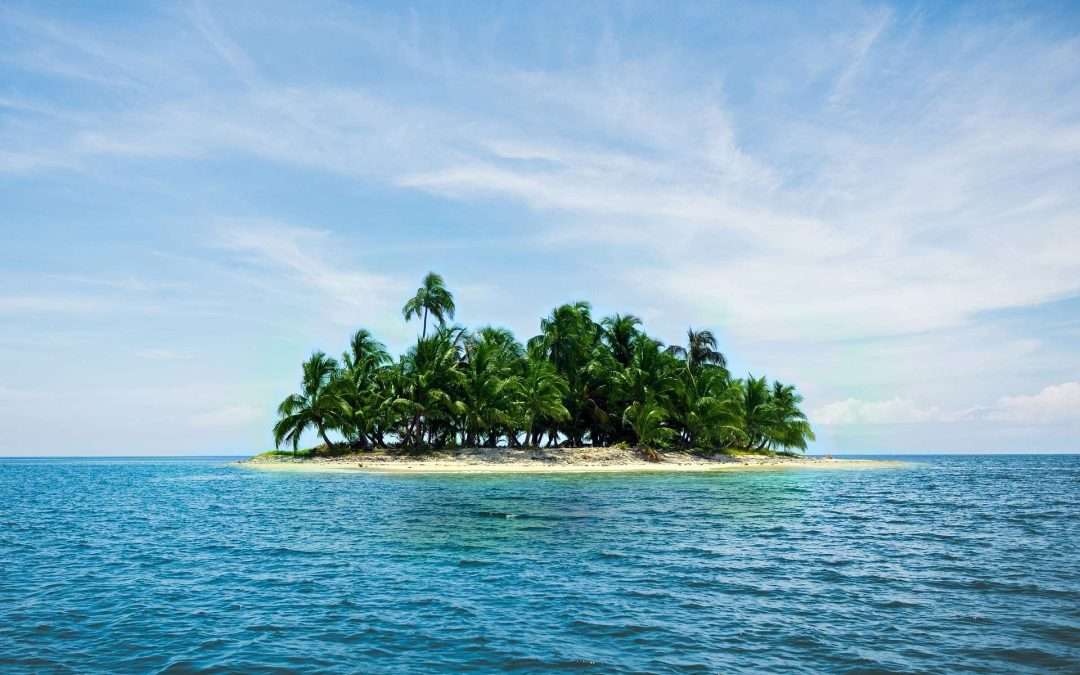
I remember my first time peeking under the surface of the Caribbean Sea. My heart was racing, and that first glimpse of a butterflyfish darting past coral felt almost like discovering a hidden universe. Yeah, the Caribbean has earned its reputation—crystal-clear water, sun that actually feels warm (not like that wimpy sunshine back home), and reefs so dizzyingly alive they’d make you forget the outside world altogether. But let’s keep it honest: not every patch of coral has survived the years unscathed. Some places are struggling, while others? Still, absolutely magical. After swimming, splashing, and the occassional awkward flipper stumble across dozens of islands, I’m here to spill it all. Here’s my inside scoop on where the reefs still thrive—and how you can have an unforgettable snorkeling trip that you’ll be bragging about well after your tan’s faded.
Reality Check: The Caribbean’s Coral Reefs—Hits, Misses, and Hidden Gems
Let me give it to you straight: you won’t find rainbows everywhere. Some well-known reefs have lost a step (or a fin) thanks to storms, climate change, and one-too-many careless swimmers. Over on Nomad Nature Travel, they talk about bleaching, dwindling fish, and the occassional “meh” spot that makes you want to drift elsewhere. Even on Reddit, snorkelers are swapping stories of Turks and Caicos as a ghost town underwater. But before you hang up your mask, take heart: there are still patches bursting with color, teeming with life, and 100 percent worth the flight.
Bonaire: Effortless Reefs and Fish Galore
Bonaire is my soulmate of islands. If you cringe at big crowds and just want to slip off your sandals and stroll into the ocean, this is paradise on a silver platter. According to USA Today, Bonaire collects snorkeling awards like I collect missing mask straps. You’ll find beaches with house reefs a stone’s throw from shore, meaning zero need to paddle for miles in the blazing sun. The water’s so clear you’ll want to high-five yourself. And thanks to a real commitment to conservation, those brain and elkhorn corals are thriving alongside flamboyant angelfish, little yellow grunts, and swarms of tiny, electric-blue sergeant majors.
Belize: Snorkeling on a Grand Scale
If you want big, Belize delivers—think hundreds of coral cayes, bathwater-warm seas, and that jaw-dropping Belize Barrier Reef. According to Snorkel and Hike, this place comes in second only to the Great Barrier Reef for sheer size, but is easier to reach and way less intimidating. Hol Chan Marine Reserve is a must-do; everyone comes back grinning, sunburned, and maybe, just maybe, a little obsessed. From lazy nurse sharks to sea turtles, you’ll get to swim with the Caribbean’s A-list.
Gardens of the Queen, Cuba: Where Time Stands Still
This next one feels like a time machine. Cuba’s Gardens of the Queen (Jardines de la Reina) is probably the most untouched patch of reef I’ve ever seen—thanks to years of strict protection. Development? Not here. Overfishing? Nope. It’s just you, the fish, thriving coral, and the kind of peace you only get far from Wi-Fi signals. Yes, it takes work to get there, but trust me, this one belongs at the tippy-top of your bucket list.
Roatan, Honduras: Easy and Rewarding
Let’s not forget Roatan. For some reason, Honduras barely gets a mention in most travel circles, but Reddit snorkelers know: West Bay Beach offers up reefs so close you could swim to them before your first coffee wears off. Visibility here is golden, and you’ll regularly bump into parrotfish, rays, and all sorts of friendly sea turtles. It strikes that sweet spot for accessibility without sacrificing visual fireworks.
Cozumel, Mexico: Oldie but Goodie
Some destinations fade, but Cozumel keeps on shining. Dressel Divers swears by Palancar Gardens for families and newbies. If you want more of a thrill, Palancar Caves deliver swoops, caves, and secret nooks like an underwater roller coaster—minus the screaming. No, not every square foot is as lively as before, but when Cozumel is good, it’s seriously good.
How I Choose My Caribbean Snorkeling Spots
- Protected Areas: No-brainer—eco-friendly zones have the healthiest coral.
- Easy Access: I love spots where you can just wander in with your gear. Perfect if wrangling kids or its your first rodeo.
- Lively Reefs: I always check recent trip reports (Reddit is gold for this) to avoid those unfortunate “dead zones.”
- Wildlife Galore: The more kinds of fish, rays, and turtles, the better. Boring reefs are a nonstarter.
- Conditions: Warm water and good vis—usually 60 to 100 feet, temps right at 80-84°F. Can’t beat it.
What Kind of Snorkeling Fits You?
- Shore Walks: Just wade in straight from the sand. Less hassle, more time searching for cool shells and weird fish.
- Boat Rides: Sometimes you’ll get the best reefs after a quick boat ride—no crowds, deeper water, and bigger species too. The adventure starts the minute you set sail.
Looking for specifics? The Lonely Planet guide is a goldmine for different styles and skill levels.
Quick and Easy Tips for Safer (and More Fun) Snorkeling
- Don’t snorkel solo—a friend is your best safety net and makes for better fish stories anyway.
- Wear a rash guard or long tee to avoid the lobster look (never trust Caribbean sun!).
- Fins are your friend, especially when sneaky currents decide it’s their turn to play.
- Take your time. Life underwater rewards patience. You might even spot a shy creature hiding in plain sight.
- Don’t mess with coral. It’s more fragile than it looks, and stepping on it can hurt both you and the reef.
Best Time of Year to Get Your Snorkel On
Honestly? Almost anytime. For top visibility and minimal crowds, I usually aim for December through April. It’s peak season, so everything is zinging. If you want quieter beaches but still decent conditions, try May-June or November. Just don’t forget to reserve ahead—especially during holidays (been there, panicked about hotel rooms, don’t recommend).
FAQ: Your Caribbean Snorkeling Questions, Answered
- Is snorkeling safe for beginners?
– Absolutely. Many Caribbean spots are gentle enough for first-timers (try Bonaire or Cozumel for a confidence boost). Just respect your limits and always buddy up. - What should I bring?
– Your own mask, snorkel, fins, and a rash guard are key. Reef-safe sunscreen is a non-negotiable—let’s save those corals! - What critters might I see?
– Expect parrotfish, rays, turtles, buckets of tiny neon fish, and, if the stars align, a curious eel. If you spot a mermaid, I want photographic proof. - Do I need to book a tour?
– For simple shore entries, you’re fine on your own. If you’re hitting remote reefs (looking at you, Gardens of the Queen), a pro guide adds safety and local color. - Are the reefs really suffering?
– It’s true—some areas need help. But with eco-conscious travel and protective laws, many reefs are making a comeback. Snorkel responsibly, and you’ll help too.
Ready to Jump In?
Even though not every reef is perfect, the Caribbean’s underwater world is still packed with adventure. From strutting into Bonaire’s turquoise water to chasing turtles in Belize or drifting quietly above Cuba’s secret gardens, the fun is out there waiting. Let’s keep these wonders healthy—snorkel smart and share your stories in the comments. Bet I’ll still be the only one who manages to put fins on the wrong feet. See you in the blue!