
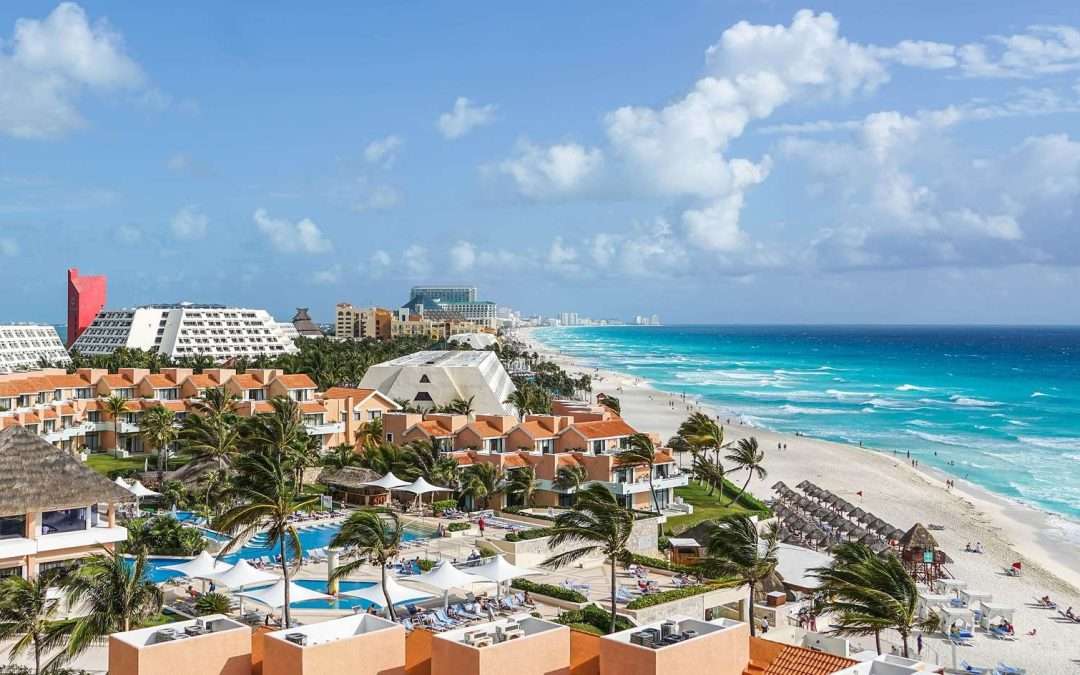
When you picture the Caribbean, let me guess—beach hammocks and sunset cocktails come to mind before anything else. But not long ago, curiosity pulled me off the sand and into a world I hadn’t fully imagined. Turns out, the Caribbean’s true gold isn’t buried treasure: it’s history itself—layered, wild, and so alive it practically dances through the cobbled streets. Let’s wander together and unearth stories hiding in plain sight!
Columbus and the Age of Clashing Empires
Back in 1492, a certain Italian sailor by the name of Columbus—yes, the famous one—drifted into these tropical waters. According to Rowan University Caribbean Studies guide, that arrival kicked off what they call “a great race for riches” among European countries. For more than five centuries, the islands were pawns and prizes in a high-stakes game, traded, fought over, and shaped by powerful empires willing to do just about anything for sugar, gold, and a slice of paradise.
An Island Tasting Menu: Flavors and Stone Fortresses
One thing I never expected? How you can bite right into history—or stroll through it, for that matter. French-style bakeries in Martinique serve treats so flaky you’d swear you’re in Paris. Over in Puerto Rico and the Dominican Republic, Spanish colonial architecture gives cities an old-world flavor. And when I reached Willemstad, Curaçao, the Dutch-inspired rainbow of waterfront buildings made my jaw drop. Each place blends cultures like a chef mixes spices—vivid, surprising, unforgettable. This journey is nothing short of a feast for the senses (Silversea).
- Brimstone Hill Fortress: Dubbed the “Gibraltar of the Caribbean,” this British-constructed stronghold in St. Kitts not only awes with sheer size but oozes history at every corner (Cruise Critic).
- Old San Juan, Puerto Rico: Lose yourself in twisted, cobbled streets where sunlit buildings shout in every shade of the rainbow (Coolest Carib Blog).
- Willemstad, Curaçao: The Dutch didn’t hold back. Every pastel house feels like a postcard brought to life.
Sugar, Suffering, and the Birth of Culture
It’s all too tempting to get lost in the bright side of heritage, but there’s heavy stuff, too. The pursuit of sugar fortunes once made plantations boom—and with them, a dark and painful legacy of slavery followed. Generations of Africans were forced to work these lands, changing the islands forever. This wrenching past, as tough as it is to face, shaped not only the scars but also the soul of the Caribbean—its vibrant music, food, and those quirky, bold identities you’ll encounter everywhere (Wikipedia).
Living Heritage: Cities that Bring the Past to Life
What floored me most is how many places draw you into their stories, not just as a spectator, but as part of the action. Heritage tours here aren’t snoozy school trips—they’re like time machines for the curious soul. The folks at Wanderlust Magazine suggest walking the ancient defenses of Old San Juan, or sipping smooth coffee in plazas where pirates and revolutionaries once schemed. You might even stumble into 300-year-old synagogues in Curaçao that have quietly witnessed it all.
- Sign up for a history tour in Bridgetown or Santo Domingo—you’ll get stories, not just dates.
- Seek out hidden colonial districts mere steps from turquoise waters (Tropix Traveler).
- Dive into heritage parades or food trails, where every bite feels like a time portal!
Honoring Triumph and Tragedy—Locals First
The brightest lesson? The Caribbean is so much more than a pretty postcard. The colorful heritage shines, but so does a deeper responsibility: remembering the hardships and resilience baked into those centuries of colonial rule. As Travel Thru History puts it, you haven’t truly seen the Caribbean until you’ve explored its layers—the beauty, the wounds, and everything in between.
A World Before Colonizers—The Real Beginnings
Want your mind blown? Even before ships with European sails dotted the horizon, the Caribbean bustled with civilizations who farmed, traded, and built their own legacy. Recent finds, like those highlighted by the Florida Museum, remind us the islands’ stories began long, long before the colonial chapter.
FAQs: Caribbean Colonial History Untangled
- What are the essential spots for soaking up colonial history?
Make time for Old San Juan (Puerto Rico), Willemstad (Curaçao), and Bridgetown (Barbados) for their unforgettable buildings and stories. - Are historical tours a thing in the Caribbean?
You bet! From costumed walking tours to interactive museums and age-old forts, it’s all out there—and sometimes, theres even actors in full regalia to bring history alive. - How do food and music reflect Caribbean heritage?
You’ll hear steel drums, taste spicy stews, and discover flavors that echo indigenous, African, and European influences. Good luck finding those vibes anywhere else! - Is it respectful to visit colonial sites?
Absolutely—if you come with an open mind and heart. Listen, ask questions, and you’ll find stories of both heartache and triumph worth carrying home. - Why does colonial history still matter for travelers?
The answers to so much—language, celebrations, even local slang—are hidden in these centuries-old stories. Understanding them makes any trip infinitely richer.
Conclusion: More Than Sand—Dive Into the Stories
If you ask me, the heart of the Caribbean isn’t just on the beach (though I won’t say no to a nap in the sun!). The real adventure is the one that winds through fortress walls, fills your plate in old plazas, and challenges you to see beauty plus scars together. Pack your curiosity, maybe skip the spellcheck once or twce, and dive in with respect. If there’s a secret gem or oddball story I missed, I hope you’ll share it in the comments—because every great adventure is best when it’s shared.