
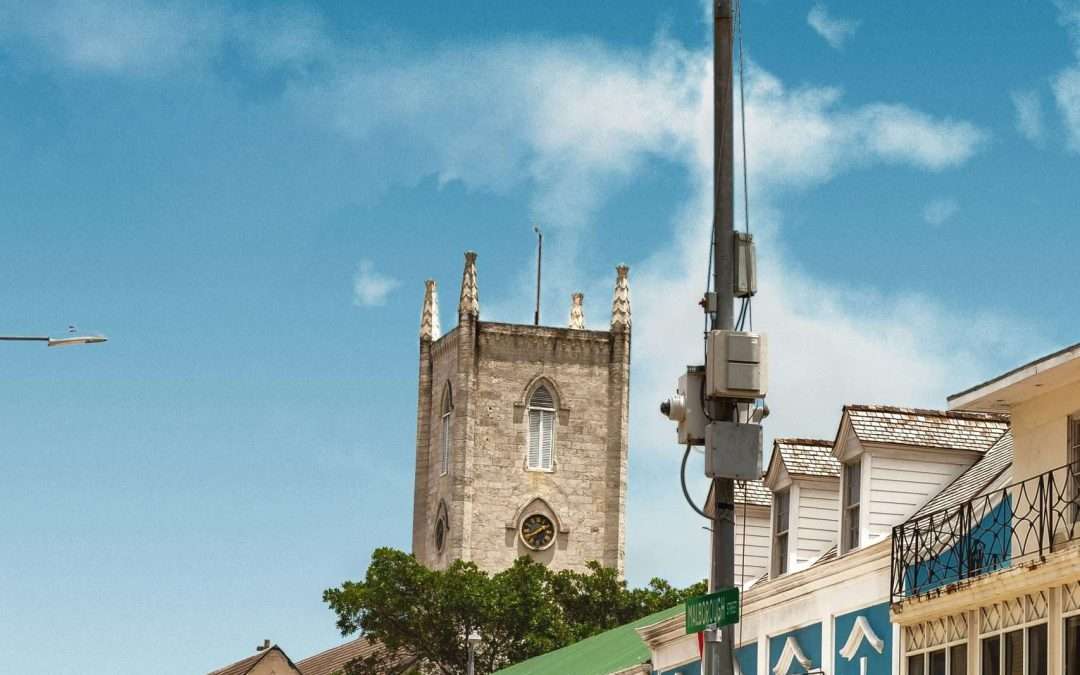
Ever wonder what happens when you stir up a pot of European ambition, fierce tropical storms, and the undeniably vibrant spirit of the Caribbean? As someone who’s always chasing sun-soaked adventures and hidden history, I can tell you the answer: you get Caribbean colonial architecture that’s so bold and quirky, it constantly makes me pause mid-photo to admire a splash of yellow or a twisted ironwork balcony. Let me take you on a personal ramble through these lively streets, where even government offices have stories louder than the ocean breeze.
Why These Bright Buildings Are Unforgettable
Traveling the Caribbean, I often find myself gawking at historic buildings that defy simple description. Here, French, Spanish, British, and Dutch powers might’ve wanted to impose their own flavors, but local creativity wasn’t having it! The result is a mishmash of Georgian, Dutch Colonial, Neo-Gothic, Spanish, Art Deco (and probably a few secret sauces I still can’t put my finger on) kind of mashed together with island ingenuity. Every walk is a crash course in cultural fusion, but these buildings are also clever survival guides—locals figured out how to make architecture thrive in shifting weather and pirate history.
Willemstad, Curaçao: Where Color Pops and Hist’ry Shines
If you have ever glimpsed Willemstad’s watercolor waterfront, you might think someone went wild with a paintbrush for Instagram—but nope, it’s all real. This UNESCO treasure wears its Dutch colonial roots with Caribbean flair, slathered in pastels that aren’t just for show. The bold shades bounce back sunlight (yay for a slightly cooler breeze!), and those swooping roofs and open balconies don’t just look cute—they keep the storms at bay and air flowing. It’s architecture designed for beauty and survival.
Brick, Stone, and Timber: Caribbean History Built to Last
Every grand building here is really a dusty old storyteller in disguise. Take the Government House in Bridgetown, Barbados: it was built in 1704 when the British wanted to leave more than their tea behind. Wide verandas and high ceilings weren’t just about style—they’re survival tricks passed down through generations. Whether it’s a Spanish fort in Puerto Rico or a French-accented mansion in Martinique, you’ll find pieces of history patched together with island pride. (Serious history buffs, check Destination Caribbean for more intricate tales.)
How Architecture Adapts to the Wild Caribbean
Like a chameleon chilling on a flamboyant tree, Caribbean colonial buildings shift to match their surroundings. When I first noticed those dramatic, steep roofs and sprawling verandas, I figured they were purely for show. Surprise—they’re genius solutions to island rain and sun! Architectural Digest even points out that jalousie windows and chunky stone walls aren’t just charming; they’re engineered for breezy comfort and hurricane readiness. I wish my old apartment could take notes.
An Unforgettable Island-by-Island Architecture Trail
If you’re like me and think the best days start with camera in hand and zero plans, the Caribbean’s colonial cities are your perfect playground. According to Wanderlust Magazine, each city serves up a unique slice of history:
- Old Havana, Cuba: Spanish archways, ancient plazas, and centuries-old swagger.
- Bridgetown, Barbados: A British-Georgian coolness that somehow learned to love the heat.
- San Juan, Puerto Rico: Pastel forts, winding streets, and that unmistakable Spanish vibe.
- Willemstad, Curaçao: Dutch style, but with a Caribbean twist that stuns every visitor.
- Trinidad’s Magnificent Seven (Trinidad & Tobago): Victorian mansions as bold as the carnival costumes outside.
Every corner flaunts evidence of some colonial ruler trying to put their stamp on the place—only for the locals to remix it all into something new, and honestly, so much cooler.
Puerto Rico: Spanish Colonial Splendor That Endures
Craving a taste of real Spanish colonial drama? In Puerto Rico, you’ll lose yourself in the age-old forts and sun-dappled courtyards. The thick stone walls, ornate iron balconies, and solid shutters are eye-candy, but also the reason these structures survived hurricanes and generations of change. I always imagine what stories those walls could spill if they could talk—bet they’d mention pirates, fiestas, and probably a few swordfights.
Preservation: Keeping the Color Alive
Truthfully, these architectural gems face bigger threats than pesky pigeons. Hurricanes, bulldozers, and shrinking budgets are always lurking. But, as Travel in the Caribbean reports, local heroes are stepping up. Restoration and creative reuse are helping safeguard these historic treasures, and lucky for all of us, passionate travelers play a part. Signing up for heritage tours isn’t just fun—you’re helping keep history alive (and giving your karma score a little boost).
Seeing It All: Not-to-Miss Architecture Tours
There’s honestly no better way to dive into this vibrant history than joining local tours. Here are my top picks:
- Stroll Old San Juan, Puerto Rico: Get the scoop on hurricane-proof colonial design and crumbling Spanish forts.
- Wander Willemstad’s Waterfront: Snap a rainbow’s worth of photos, then kick back with a drink by the candy-colored buildings.
- Walk with History in Bridgetown: Feel the British influence melt into Caribbean comfort under brilliant blue skies.
- Peek into the Magnificent Seven, Trinidad: These Victorian mansions are as eccentric as their names promise—don’t miss ‘em!
Bonus perk: Many tours fund preservation work. So go ahead, treat yourself—you’ll walk away with epic stories and a sense of doing good.
FAQ: Your Burning Caribbean Colonial Architecture Questions
- Why is Caribbean colonial architecture so unique?
You get centuries of wild style mashups—Dutch rooflines, Spanish fortresses, British homes, sometimes all on the same block—plus African and indigenous ingenuity threading it all together. - Are these buildings still in use?
Absolutely. Some are buzzing family homes, others are chic museums, government headquarters, or even trendy bars and eatries. - Can you actually go inside these historic spots?
Most welcome visitors during tours, but double-check hours and rules before you stride in. A little respect goes a long way, and you might even stumble into a surprise festival. - Is restoration making a dent?
It’s tough work, but yes! Tourism, awareness, and passionate locals keep pushing forward, helping that history outlast the next big storm or developer’s dream.
Let’s Wrap: Why These Buildings Still Wow Me
It’s not just about pretty colors or sun-soaked walls. Caribbean colonial architecture is pure resilience—creativity meeting struggle, and history expressed in every quirky gable and breezy veranda. If you like a slice of adventure with your cultural tours or simply want snapshots that’ll make your friends jealous, trust me, weave some of these cities into your next trip. Forget sitting still on the sand all day; get lost among the pastel alleyways and wild stories. Already found your favorite colorful corner? Spill the beans in the comments! My camera (and probably my spelling) are always itching for a new adventure.