
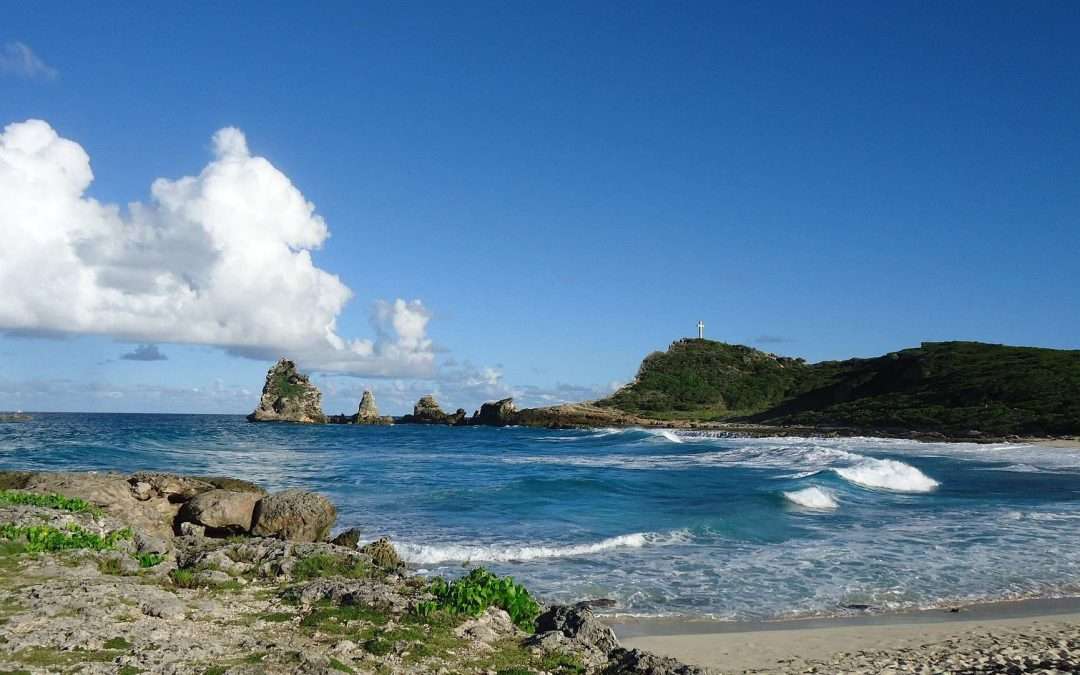
If you’re picturing the Caribbean as just sand, sea, and endless piña coladas, let me stop you right there! On my quest to dig deeper than my flip flop tan lines, I stumbled upon the jaw-dropping world of UNESCO sites in these sun-drenched islands—and wow, you can feel the stories oozing out of ancient stones and volcanic peaks. There’s so much more to the Caribbean than shady palms and smooth rum: every island’s got its own secret stash of history and nature’s drama, just waiting to be explored.
Why Bother With Caribbean UNESCO World Heritage Sites?
For tiny dots on the map, Caribbean islands sure pack a punch in the history-and-mystery department. With somewhere between 20 and 30 UNESCO World Heritage Sites sprinkled across the region (see here), you’re never far from a spot that’ll drop a cool fact in your lap. But being on this list isn’t just a fancy title. These places matter—they’re badges of honor for the region’s wild history, shapped by indigenous wisdom, colonial ambitions, and a bit of all-out adventure. Basically, they’re treasures we’re all sharing custody of, so future travelers (and dreamers like us) can keep discovering their magic.
Cuba: The Champion of Caribbean Heritage
Cuba, hands down, is the MVP when it comes to UNESCO glory. If historical bragging rights were an Olympic sport, Cuba would’ve brought home all the medals. The country boasts nine UNESCO sites—yep, nine! (See the full list here). Each one is a chapter in Cuba’s rollercoaster ride, but a few blew my mind:
- Old Havana and its Fortification System – Wandering these pastel streets, with century-old stone walls on either side, it feels like you’ve time-traveled back, minus the swashbuckling pirates (though the stories make you wish you could’ve met a few).
- Viñales Valley – If Mother Nature ever had a soft spot for dramatic views, this is where she showed off—rolling tobacco fields, ancient caves, and limestone crags that look almost fake in photos.
- Trinidad and the Valley de los Ingenios – Think pretty Spanish colonial squares, sugary history, and horse hooves echoing down cobblestones. Visiting here is like walking through a sepia postcard.
And there’s even more—Cuba’s list is stacked with protected parks, old forts, and nature reserves, each one a snapshot of a different era. Bring your camera and your curiosity!
Must-See Historic Spots Sprinkled Across the Islands
Historic Caribbean sites aren’t just about pretty buildings—they’re where stories come to life (and sometimes fall to cool ruins).
- Old San Juan, Puerto Rico – Massive stone walls, towering forts, and lanes so photogenic you’ll run out of phone storage.
- Historic Bridgetown and its Garrison, Barbados – Love bright houses, quirky side streets, or Britain’s fingerprint on the tropics? Bridgetown delivers.
- Nelson’s Dockyard, Antigua and Barbuda – Still standing since the 18th century, this is the only working Georgian dockyard on earth. If you ever wanted to feel like a naval hero or a pirate chasing ships, start here—2016 is when UNESCO officially gave it a gold star.
- Citadelle Laferrière, Haiti – Imagine a mountaintop fortress built by former slaves to keep colonial invaders at bay. This place is as epic as it gets—and the views don’t disappoint, either.
Nature’s Masterpieces and Living Landscapes
History isn’t the only pocket of Caribbean cool—the islands serve up a buffet of natural wonders, too.
- The Pitons, Saint Lucia – Picture two volcanic peaks jetting straight out of the earth, cloaked in forest and fog. Whether you hike or just gaze from a beach, it’s an Instagram dream (sometimes I spelled it “discovered” instead of Instagram—catch the oops!).
- Belize Barrier Reef Reserve System – If you’ve ever snorkeled in a screensaver, you get the idea. This underwater world teems with colorful fish, coral, and more Finding Nemos than you can count (read more here).
Some sites take you inside caves with ancient carvings, while others stretch over islands where indigenous and colonial legacies still shape daily life. You’ll walk away thinking Earth is wilder (and weirder) than you thought.
Keeping These Stories Alive
Sure, these sites attract travelers hungry for meaning—but it’s the protection and global spotlight that really make a difference. Once a spot lands on the UNESCO map, it often receives the TLC it needs to survive hurricanes, time, and the occasional rowdy tour group. That’s no small feat when you consider Old San Juan’s ramparts or Cuba’s dusty, glorious forts have seen centuries of drama. Some tell tales of empires and engineers; others (looking at you, Citadelle) shout about resistance and the unstoppable spirit of freed people. Still more, like Nelson’s Dockyard, whisper stories of trade, ships, and secrets exchanged over salty breezes.
How to Dive Into These Sites—Nina’s Survival Tips
Before you dash off and load your suitcase with guidebooks, here are my hard-earned tips for making the most of your Caribbean heritage adventures:
- Give your visit some thought—popular sites fill up, especially guided hikes or tours, so book in advance when you can.
- Pep up your prep! A quick online search (or a tiny guidebook) makes the experience feel like a real-life treasure hunt instead of just “old buildings and rocks.” You’ll start catching cool details you’d otherwise miss!
- Show respect for both locals and landmarks. Pause, chat, and savor the hidden gems—plus, the best food finds are always just a local tip away.
- Mix heavy history with some island-style chill. Sun, sea, or a rum punch break helps balance out all those ancient battles echoing in the ruins.
- Don’t forget your practical gear: sunscreen, bug spray, and shoes that laugh at cobblestones (flops + ruins = ouch!).
FAQs – All About Caribbean UNESCO World Heritage Sites
- How many UNESCO World Heritage Sites are there in the Caribbean?
Between 20 and 30, though the number may change as new places get added or recognized. Keep an eye on Caribbean & Co. for the latest scoop. - Which Caribbean country has snagged the most UNESCO sites?
Cuba steals the show with nine protected treasures. Perfect for history buffs and wanderers alike! - Are these world heritage sites suitable for families?
Most are super family-friendly—just remember that strollers and steep cobbles don’t always mix. Double check access ahead of time, and pack a little patience for the adventure. - Do you have to pay to enter?
Entry fees vary. Some big hitters charge an admission fee for the upkeep, while places like old town streets are free to roam. Guided tours bring the stories to life and are often totally worth a few bucks. - Why is preserving these sites so important?
Because they’re living proof of the Caribbean’s layered identity—every entry ticket supports the storytelling for tomorrow’s explorers. Plus, the memories (and the travel pics) are way better than another day at the pool.
Conclusion: Pick History Over Hammocks—Or Pair Both!
The Caribbean’s UNESCO World Heritage Sites are more than just names on a list—they’re proof these islands have shaped the world as much as any palace or pyramid. If you’re looking to peel back the layers, chase adventure, or collect stories that go way beyond Instagram likes, start adding these sites to your must-see list. I’d love to hear your favorite find or that moment when a place made you go, “whoa!” Share your stories below, and let’s inspire the next wave of curious travelers!
Sources: Caribbean & Co., Exceptional Caribbean, World Atlas, CaribJournal, WorldWildSchooling.