
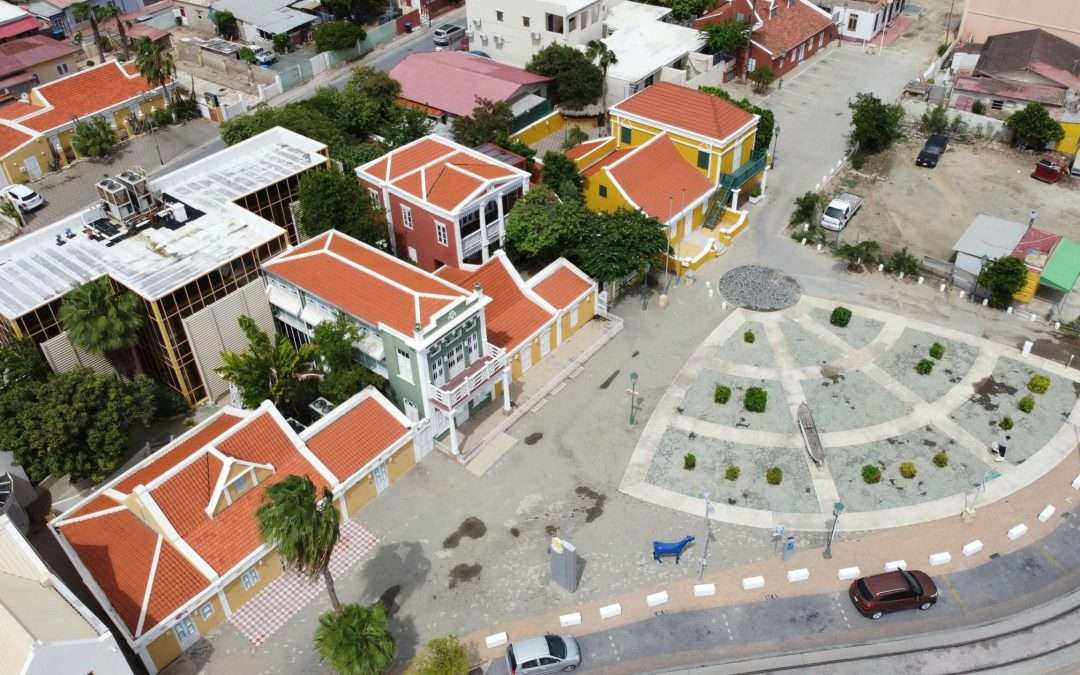
If there’s one place on this planet where time itself seems to shimmer like the sand under a Caribbean sun, it’s Aruba. Hi there, I’m Nina! I’ve wandered far and wide, but Aruba’s history feels like a living story – one that invites you to pull up a beach chair and dive right in. From its mysterious ancient roots to the vibrant hubbub of today’s Oranjestad, Aruba isn’t just another pretty beach. It’s layers of adventure, surprise, and heartfelt welcomes. So let’s take a wander through Aruba’s past—no sunhat required, just your curiosity.
The Very Beginning: The Arawak Tapestry
Imagine yourself back in a time before cellphones (or even cities), when the Caquetio Indians—a group of Arawak people from what’s now Venezuela—first set foot on Aruba. We’re talking the Pre-ceramic period, around 2500 BC, and by 1000 AD, these hardy folk were thriving along the coast (U.S. Consulate General Curacao). Picture them fishing, hunting, and gathering—real-life pioneers long before fast food or Instagram were a twinkle in anyone’s eye.
The earliest Arubans left some wild treasures behind: think fire-red cave drawings, clay pots shaped by hand, and rock tools that once cooked up simple stews. There was a plot twist around 950 AD, though: the earlier inhabitants moved on, and a new group of Caquetío, a little more savvy with technology and social know-how, took over (Britannica).
Colonial Waves: Spain, Then the Dutch
The 1400s rolled in, and Aruba’s peaceful rhythm was about to get a jolting remix. Spanish explorers washed up in 1499 and, as explorers tended to do, claimed it for themselves. Aruba became a pirate’s hideaway and a smuggler’s smorgasbord, but the Spanish era didn’t leave many permanent footprints (Aruba.com).
Everything shifted when the Dutch sailed in, boots and all, in 1642. Unlike the Spanish, they actually allowed the Caquetío to maintain their land and lifestyle, sowing seeds for a society that prized blending old and new (Visit Aruba).
Gold Rush, Aloe Fields, and Ranch Land
Under Dutch stewardship, Aruba’s story became all about the land. Ranching took off—horses and cattle roamed, and orchards brimmed with mangoes, millet, and coconuts. Aloe, that magical green healer, put Aruba on the map too. But the island’s real plot twist came in 1824, when gold seekers struck lucky, kicking off a brief but wild gold rush (Smithsonian Magazine). Although the gold ran out, Aruba’s aloe industry blossomed, soaking up worldwide fame and economic goodness.
Entering the Modern Age: Oil, Wars, and Self-Discovery
Fast forward to the 20th century, and Aruba’s story did a full salsa spin. Oil refineries put Aruba on the global stage, offering tons of jobs and boosting growth during the World Wars. As times changed, Aruba expertly shifted from fields to factories to welcoming sun-seekers and travelers from every corner. In 1986, Aruba leveled up, winning internal autonomy within the Kingdom of the Netherlands. The Dutch still handle defense and diplomacy, but Aruba runs its own show for everything else (Aruba.com).
Modern Marvel: Culture, Language, and Life on Aruba
Walk around Aruba today, and you’ll hear a swirl of languages – Papiamento, Dutch, English, and Spanish – buzzing through streets and markets. With folks from over a hundred nationalities, cultural fusion is the name of the game (guide to Aruba’s cultural etiquette). Sun-soaked beaches still steal the show, but the heart of the island is in its music, art, and ever-welcoming spirit. From Fontein Cave’s red rock art to pastel-hued colonial buildings in Oranjestad, history never feels stuffy or distant here—it’s right at your fingertips.
If beach lounging isn’t enough, check out Oranjestad’s markets, quirky museums, and lively festivals that blend tradition with today’s vibes. I made the rookie mistake of leaving my camera behind at one of those festivals – wish I hadn’t!
There’s Always More: Aruba’s Living Legacy
What blows my mind most each visit is how Aruba wears its past with pride. Every meal hints at Spanish and Dutch influences. Every market stall or museum crosses timelines, connecting the dots between early Arawak days and the cosmopolitan present (Oranjestad shopping guide). Here, tradition and change dance side by side—now that’s real magic.
From ancient wisdom to modern hospitality, Aruba’s past is always present. And it’s not just to be seen – it’s meant to be joined! Come, wander, taste, and even mispell a word or two in Papiamento with a local. The island’s got plenty of room for your story, too.
FAQs About Aruba’s Past (And Your Visit)
- Where can I see Aruba’s ancient artifacts?
Head to the National Archaeological Museum for tools, pottery, and bold cave drawings. Don’t forget to see the real thing inside Aruba’s famous caves. - Why is Aruba so diverse?
Aruba’s welcoming vibe traces back to centuries of migration and settlement: early indigenous peoples, Europeans, and waves of newcomers. Today, over 100 nationalities call it home! - What languages are spoken in Aruba?
Papiamento leads, but Dutch, English, and Spanish pop up everywhere. Try slipping “Bon bini” (welcome) into a convo—instant smiles, trust me. - How do I experience Aruban culture firsthand?
Jump into a street festival, wander Oranjestad’s markets, or check cultural tips in this travel guide. Even a chat over a local meal opens a window into daily life. - Is Aruba good for families?
You bet! The island’s safety, warm locals, and great resorts (see top picks here) make it perfect for visitors of all ages.
To sum it up? Aruba’s history isn’t just facts on a timeline – it’s a living, vivid patchwork, stitched together by explorers, dreamers, artists, and curious travelers like you and me. So, whether you’re planning your first visit or returning to an old favorite, dive in and add your own memories to Aruba’s ever-growing story. Got a question or a favorite Aruba anecdote? Drop a comment below – let’s chat!