
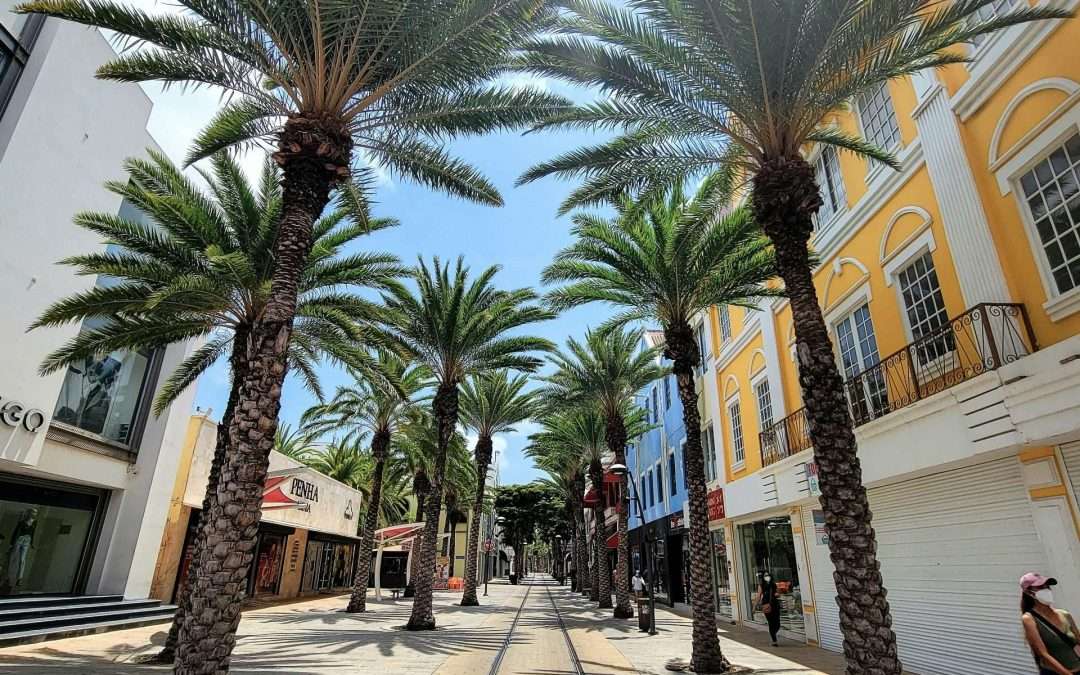
When folks ask me about Aruba, I always smile—it’s hard not to when you’re picturing turquoise water and sun-warmed sand slipping through your toes. But here’s the thing: if you scratch beneath that perfect postcard surface, you’ll find a wild backstory that makes Aruba more than just a beach stop. The island’s been a crossroads for traders, dreamers, and dealmakers for over 500 years. I’ve stumbled through Oranjestad with a camera in one hand and a list of quirky facts in the other, so come wander with me as I unravel Aruba’s epic journey from so-called “Useless Island” to bustling Caribbean connector.
The Early Days – Spanish Discovery and Missed Opportunities
Can you imagine rolling up on a new land in 1499, expecting fountains of gold, only to find… goats and cactus? That’s exactly what happened when Alonso de Ojeda led the Spanish to Aruba’s rocky shores. They hoped to strike it rich, but instead slapped the “Islas Inútiles” label on Aruba and its sister isles—ouch. That’s “useless islands” in Spanish, by the way. But looking back, they totally missed the point. Aruba’s real treasure wasn’t buried underground, it was the island’s spot on the Caribbean map—a fact you can read more about on Wikipedia if you want a deep dive.
The Dutch Era – Aruba Claims its Place on the Trade Map
By 1636, the Dutch West India Company saw what the Spanish overlooked. They weren’t after sugar fields or spice routes, they wanted Aruba’s stellar location for their shipping network, stretching all the way from Curaçao to the New World over in New Netherland (yep, old-school New York). Before you know it, Aruba was exporting horses—imagine herds thundering onto ships, bound for distant ports. It wasn’t all straight-laced, either. Smuggling and shady backdoor deals flourished, with Dutch merchants quietly outwitting official trade rules to snag better prices across the sea. That’s some real entrepreneurial spirit! There’s a solid article on Aruba’s maritime history if you feel like geeking out.
Striking Gold & Riding Oil Booms – Aruba Keeps Evolving
I love a good underdog story, so Aruba’s gold rush of 1824 absolutely fascinates me. Word got out and suddenly, would-be prospectors came charging in, dreaming of glittering paydays. The jackpot didn’t last long, but the world had taken notice. Aruba’s next big flex arrived in the 1920s when an oil refinery fired up near San Nicolas. Overnight, Aruba pivoted from pawn to energy player. Skilled workers poured in and the island’s cultural blend grew even richer. That refinery site is still a cool place to explore if you’re into industrial history. For a colorful peek into Aruba’s journey from salt flats to powerhouse, check this article.
People, Culture, and Life in the Middle of it All
Every time trade shifted, so did Aruba’s people. Instead of mighty plantations like other Caribbean spots, Aruba became home to a mix: Caquetío, Spanish, Dutch, African, and more—a true crossroads, typos and all (hey, even I’m not perfct). Aruba’s tangled history with the slave trade left traces that are important to remember, even if they weren’t massive in scale. Today, those international influences linger in every plate of keshi yena and every word of Papiamento.
- Dutch colonial buildings in Oranjestad look like they leapt from a storybook
- Over 90 backgrounds make up Aruba’s population—talk about diversity!
- The motto “One Happy Island” isn’t just for tourists, it’s all about resilience, joy, and pulling together
Read more about Aruba’s layered slave trade legacy here.
Modern Aruba – Still Sitting at the Crossroads
Ships still glide by, and Aruba’s place—just a stone’s throw (okay, 18 miles) from Venezuela—remains a headline act. Tourism might be the big earner now, but don’t let the resorts fool you. The past lingers in Oranjestad’s streets, the clang of a shipyard, and the hum at downtown markets. Being a constituent country of the Kingdom of the Netherlands makes Aruba a player in politics, too. If you listen closely in a cafe, you can almost hear yesterday’s trade winds carrying voices from every direction.
Your Quick Guide: Step into Aruba’s History
If you’re itching to feel that connection to centuries of adventurers, smugglers, and merchants, here’s how you can soak up the best of historic Aruba:
- Wander Oranjestad’s old district – Snap photos of pastel Dutch houses and buzz through lively squares
- Drop by the Museum of Industry – You’ll walk away with fun (and weird) facts on Aruba’s industrial rise
- Explore the oil refinery relics – Especially near San Nicolas; it’s a throwback to the boom days
- Taste-test your way through local markets; trust me, the food tells Aruba’s story better than any brochure
Skip the typical guidebooks—start at the Travel Reviewed home page for real-life tips on getting around and secret finds you won’t see on touristy lists.
FAQs – Aruba’s Place in Caribbean Trade, Explained
- Did Aruba really play a role in the slave trade?
Yes, though Aruba’s involvement was small compared to other Caribbean islands. Learn about how geography shaped that history here. - How can I best soak up Aruba’s history?
My favorite way? Walk through Oranjestad, venture to San Nicolas, and dive into the museums. Layers of history are everywhere if you look closely. - Are there visible traces of old trade life?
Absolutely! Check out the details in building facades, the odd street name, and the bustle of multicultural festivals year-round. - Where should I start if I want to read more?
For a jumping-off point, try Britannica’s Aruba history or take a wander through this look at Aruba’s journey.
Conclusion – The Real Aruba: Past, Present, and Everything in Between
So, next time someone shrugs and calls Aruba just a sunny getaway, you’ll have a whole different story to tell. This island’s DNA is part adventure, part enterprise, part cultural mash-up. From weatherbeaten Spanish explorers to sharp Dutch traders, hopeful gold seekers, tough refinery workers, and globetrotting tourists, Aruba is nothing if not a survivor and innovator. Got questions, or on the hunt for more travel hacks? Drop by the About page or jump into the comments. History is alive on Aruba—I hope you’ll experience it for yourself one day. Cheers to wandering, learning, and chasing the unexpected on your next island escape!