
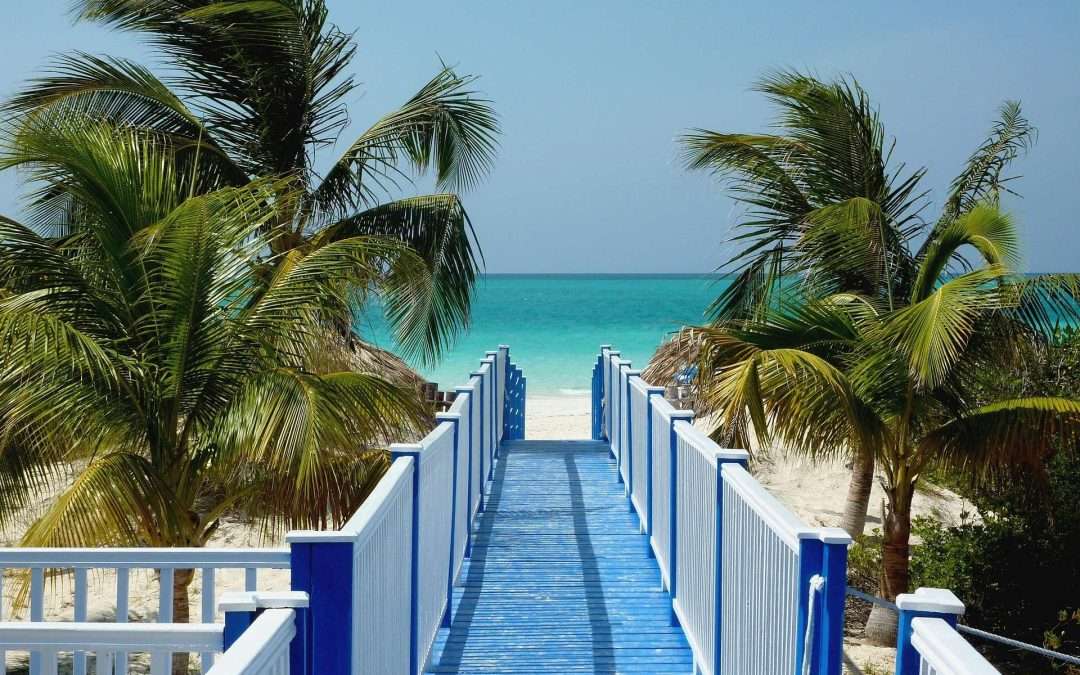
When people imagine Caribbean adventures, they usually picture white beaches, turquoise water, and those famous rum punches. But just wait. If you think that’s all Caribbean sailing is about, you’re in for quite a wild ride. As someone who’s wandered these islands and felt the wind smack salty stories in my face, I can promise the maritime history out here is absolutely bananas – full of drama, guts, and surprises. Every wave carries echoes of wild chases, lost treasures, ancient canoes, and gigantic ships loaded with secrets. So, let’s shove off and paddle right into the thick of this legendary history.
Indigenous Navigators: Caribbean’s Original Seafarers
Before Columbus ever lost his way or pirates started arguing over treasure maps, the Taíno and Kalinago people were already mastering these seas. Imagine huge ocean canoes, not flimsy little rafts, built sturdy enough for 40 or more passengers. That’s not just a day trip – that’s a full-on fleet! These skilled navigators didn’t just hug the shore; they crossed between islands, trading everything from tools to stories. As this Wikipedia overview on Pre-Columbian seafaring explains, their shipping routes and clever boat-building influenced how later European empires carved up these waters. Sometimes I like to imagine what it was like to spot land from a canoe after hours (or days!) of paddling hard. Absolute rockstars, if you ask me.
The Caribbean Becomes the World’s Maritime Hotspot
Jump ahead a few centuries – suddenly Europeans begin arriving like surprise guests at a party, only they weren’t bringing the best snacks. Once Spain, France, England, and the Dutch realized the value of these blue passages, the region became their battleground. It was about controlling the trade highways loaded with sugar, gold, and, sadly, people. High-stakes stuff. Havana and Kingston became global crossroads. According to the History of the Caribbean, here’s what went down:
- 1528 saw French corsairs attack Spanish Santo Domingo – first of many clashes
- Convoys teeming with silver and loot were irresistible targets
- Empires built epic forts to claim top ports like Havana and Kingston
Picture the Caribbean as the wildest part of the Atlantic – except the horses are ships and the saloons serve up coconuts (and maybe some mid-spellings along the way).
The Golden Age of Piracy: More Than Just Movie Magic
Alright, let’s drop anchor in the era everyone secretly loves – The Golden Age of Piracy (1650–1730 or so). Forget the black-and-white tales. Pirates here ranged from out-of-luck sailors and ex-navy types to folks just trying to survive, all seeking fortune with a flash of bravado. Spots like Tortuga, Jamaica, and Nassau became notorious pirate hubs (see here for more). Their impact was real – they forced naval innovations, destabilized economies, and sometimes threw epic ragers that went on for days. Some of the real highlights:
- Outlaws clashing with Spanish treasure ships
- Anglo-French pirates throwing whole economies off balance (and throwing parties, too)
- Entire towns tossed between pirate hands and imperial navies
Piracy helped force new trade systems and pushed empires to fight smarter. So maybe we owe pirates a teensy thank-you for modernizing Caribbean shipping, even if they did spell trouble (pun intended!).
Switching Sails: From Galleons to Steamers
By the 19th century, pirates were basically yesterday’s news, and the Caribbean transformed into a world leader in shipping. Havana, Kingston, and Port of Spain buzzed with trade – horses replaced by steamboats and wooden ships. The Maritime Heritage Project notes that by the late 1800s, thousands of vessels crisscrossed these waters, a staggering chunk of them British. What moved through these ports? Glad you asked:
- Sugar, rum, tobacco – loads more than just gold and silver
- Regular shipping lines popped up, making island hopping a breeze (and a lot less risky than in the pirate days)
- Passenger ships brought waves of people – and their cultures – to the islands
This was a time when ports grew quickly, and not a day passed without a new hull dropping anchor, bringing the world closer to the Caribbean one shipment at a time.
The U.S. Navy’s Big Show: Chasing Shadows and Defending Lanes
So, did the pirate saga just vanish? Not exactly. The U.S. Navy jumped in by the 1820s to hunt down the last of the Caribbean privateers, dispatching ships like the USS Enterprise (original, right?) to clean up what was left of pirate hideouts, especially off Cuba (read the full account here). This muscle-flexing kept going – through the Spanish-American War (naval blockades galore) all the way to World War II, when German U-boats prowled from Trinidad to Florida, picking off ships and sending chills up every captain’s spine (Battle of the Caribbean history). It proved the Caribbean has always been a global chessboard for sea power.
The Battle of the Saintes and Other Famous Clashes
If you ache for a high-seas blockbuster, look no further than the Battle of the Saintes in 1782. Admiral Rodney took on the French fleet – a fight that reset the scales of British control for years. These watery duels kept shifting the balance; whoever ruled these seas, ruled global trade:
- Battles here often steered the fate of distant empires
- With every new century, new flags staked claims to the islands
- Even today, the Caribbean remains a must-have on the map for strategists
Ship Mixers: Cultures, Ideas, and Innovation on the Water
Here’s my favorite takeaway as a wanderer: The real beauty of Caribbean maritime history isn’t just in the battles – it’s in the mixing. Every ship brought something new: music, spices, languages, you name it. From the earliest paddlers to those mega cruise liners you see today, these waves stirred up one of the planet’s coolest cultural stews. That’s why every port here hums with rhythms and stories you just don’t find anywhere else. Makes you want to dance, doesn’t it?
FAQs: Your Burning Caribbean Maritime Questions
- Was piracy really as wild as movies make it?
Honestly, yes – but with less eyeliner and a lot more seasickness. Some stories are overblown, but most pirates lived hard (and usually short) lives. Get the real scoop at Piracy in the Caribbean. - Which Caribbean port mattered most?
Havana, Kingston, and Port of Spain stand out – each helped turn the region into a crossroads of trade (Maritime Heritage Project). - Did German U-boats really hunt ships in WWII?
Absolutely. Between 1941 and 1945, U-boats sent plenty of ships to the bottom. Check the timeline here. - How did indigenous maritime cultures shape European invasion?
Indigenous trade networks and navigation smarts gave Europeans both a blueprint and competition. Their canoe tech was next-level—read more here. - Is piracy still a thing today?
Not really, at least not like it was. Modern navies keep things safe, so you can sip your drink in peace (Maritime History summary).
Conclusion: Keep the Stories Sailing!
From ancient paddlers to epic pirate chases and massive cruise ships, the Caribbean’s maritime story is far richer than any postcard scene. These seas have tangled destinies, connected people, and left behind a wake full of surprises. Next time you drift by a palm-covered cove or raise a glass on a breezy dock, listen for the whispers of history in those gentle waves. Got questions or wild tales of your own? I’d love to hear them in the comments – let’s keep this story rolling like a slipery hull on the open sea.