
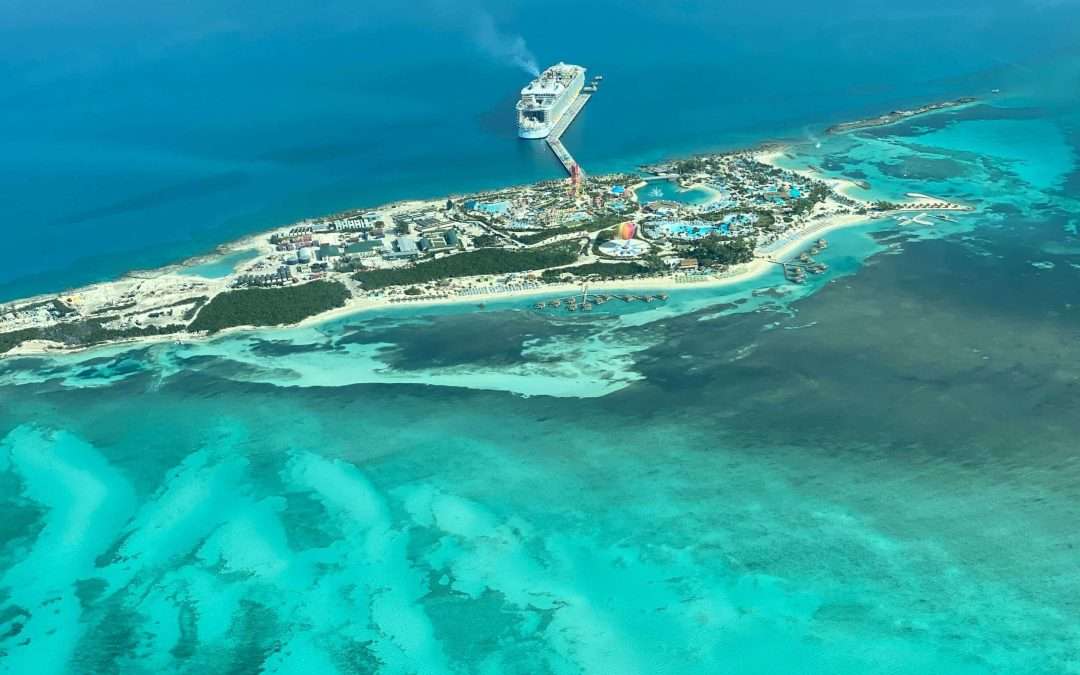
When I first started exploring the Caribbean, I expected endless beaches, reggae tunes, and the timeless sway of palm trees. But as I dug deeper, it became clear the islands carry stories far beyond the postcard-perfect paradise. Hidden below sandy shores and rhythmic festivals is a history both haunting and vital – the Caribbean was once the world’s crossroads for the largest forced migration ever witnessed. Let me take you on a journey through the real, unfiltered history of the Caribbean slave trade. Trust me, it’s a story you’ve got to hear.
The Caribbean: Pulse of the Transatlantic Slave Trade
Let’s paint the picture: between 1500 and 1800, some 12 to 15 million Africans were forcibly transported across the Atlantic. Where did most of these souls end up? Not North America, as many assume. According to the Equal Justice Initiative, nearly 90% survived the Middle Passage only to arrive in the Caribbean or South America. The islands weren’t just a stop on a grim journey – they were the final destination, the backbone holding up this staggering system.
Why Here? Sugar, Geography, and Ruthless Profit
Why was the Caribbean ground zero for this trade? The United Nations breaks it down: the land and climate were perfect for growing sugar cane, a crop so profitable it made colonial empires drool. Sugar filled more than just teacups; it lined European pockets, fueling an engine of ships, chains, and human suffering. The infamous triangular trade depended on it – European goods headed to Africa, enslaved Africans crossed to the Caribbean, and ships returned home loaded with sugar and tobacco. Without these islands, the whole money-churning system would’ve fizzled.
The Middle Passage: Where Hope Nearly Vanished
I used to think long flights were tough. Then I learned about the Middle Passage – imagine being crammed tighter than holiday luggage for weeks on end at sea. Almost 20% didn’t survive the journey, wracked by disease, malnutrition, and violence (BBC). For those who pulled through, arrival brought relentless labor under a sun so harsh it could break even the strongest spirit.
Human Warehouses: The Business of Breaking Lives
Most folks don’t realize how systematic it all was. The Caribbean became a chain of human processing centers. Before the mid-16th century, the Hostos Community College research points out that nearly every enslaved African destined for the Americas first stopped somewhere in the Spanish Caribbean. By the time the British and French divvied up the islands, enormous plantations drove up profits – and misery – even higher.
Plantations: Factories of Pain
Forget the tidy fields you might see in American movies. In the Caribbean, plantations often operated at a scale and brutality unmatched anywhere else in the Americas (Gilder Lehrman Institute). One plantation could claim 150 or more enslaved laborers. These weren’t simply farms – they were industrial machines fueled by human suffering. It’s tough to imagine, but acknowledging it is crucial. (And if the word “plantation” just made you shudder – me too.)
Jamaica, Barbados, and the Sheer Scale
These days, Jamaica and Barbados are sun-soaked havens for tourists, but once, they acted as the main hubs for this grim traffic. From 1606 to 1842, nearly one million enslaved people were delivered to Jamaica, while Barbados received almost half a million (Exceptional Caribbean). Families were shattered, communities splintered as if people were mere numbers on a ledger. Not exactly the kind of history the travel brochures highlight.
A Relentless Cycle: The Population Toll
The brutality didn’t end even after arrival. Why did ships keep coming? Because mortality was so devastating that natural population growth became impossible. According to the Royal Museums Greenwich, the islands constantly needed new people to keep the machine going. In fact, that’s a big reason why the Caribbean today has such a strong African cultural foundation – the people, the music, and even the vibrant food all echo this legacy. (If you’ve ever danced at a local festival or tasted jerk chicken, you’re partaking in that story!)
FAQ: Questions Folks Ask Me About the Caribbean Slave Past
- Did all enslaved Africans end up in the US? Actually, only about 5% did. The sweeping majority arrived in the Caribbean or South America (read more).
- Which islands bore the heaviest burden? Jamaica and Barbados lead the list, with Hispaniola, Cuba, and other islands also profoundly affected (source).
- Why was sugar so central? Sugar drove crazy profit and pushed European empires to fight tooth and nail for control (UN source).
- What are the long-term impacts? The scars run deep – from culture and population to ongoing debates on reparations, all these threads lead back to this history (learn more).
Wrapping Up: Living History and Moving Forward
If you ever find yourself sipping rum against a backdrop of calypso or catching a whiff of spices in a Caribbean market, take a moment to look past the postcard. These islands are more than paradise. The shadows cast by the Atlantic slave trade shaped culture, resilience, and even joy that still pulses here today. By facing the ache of the past, we can honor the lives lost and the generations who survived. Want to share your thoughts, ask more questions, or just swap stories about island travels? Drop a comment below – I’d love to keep this wild, complicated convo going (typos and all!) between beach days.