
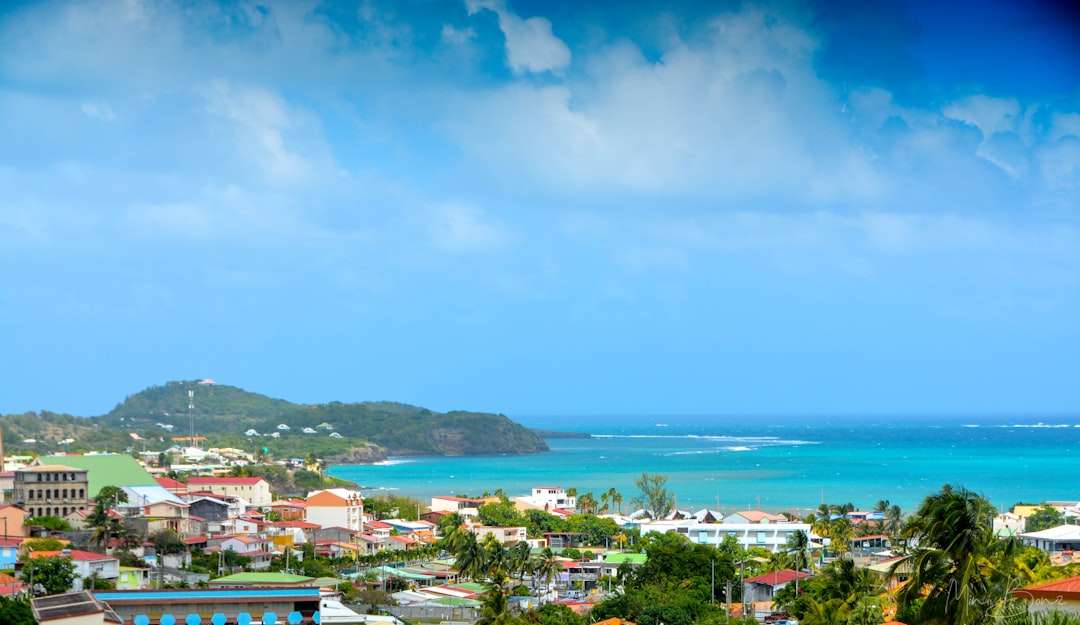
Every time I plan a trip to the Caribbean, my imagination drifts to sun-dappled beaches, ocean breezes, and that unmistakable smell of salt in the air. But before the first pina colada ever touches my hand, there’s one nagging thought: am I better off bringing cash, cards, or trying to manage both? If you find yourself puzzled about whether to stuff your wallet or go full digital, welcome to the club. Let’s dive into what seasoned travelers actually do, minus the stress and technical jargonn.
Caribbean Currency: A Delicate Dance Between Cash and Card
If you’re hoping to use only your phone, let me be the first to say it’s not quite there yet in much of the Caribbean. As ICT Pulse points out, cash is still a big deal on these islands, even with digital payments slowly catching on. I always pack both cash and cards to avoid awkward moments—because missing out on the best jerk chicken just because I only have plastic? No thanks.
Why You’ll Need Cash: More Than Just Spare Change
Certain places simply don’t take cards, no matter how shiny your Platinum Visa may be. My first time in Saint Lucia, I learned this the hard way when I tried to pay for fresh mangoes at a roadside stand with a credit card and got the biggest eye roll of my life. According to Caribbean Trading (and echoed by pretty much every travel group chat I’m in), here’s where cash is king:
- Street vendors selling everything from souvenirs to sugar cane
- Tiny, family-run cafes or beachside shacks
- Taxis on smaller islands that don’t do digital
- Tipping your favorite bartender or helpful porter
- Emergencies, like when power goes out and card machines stop working
A top tip: US dollars are widely welcomed, but locals appreciate small denominations—think $1s, $5s, $10s, not big hunreds. Don’t be the tourist holding up the coconut stand because you’re waving a $50 and no one can make change.
Why I Still Pack My Cards
Let’s not ignore the perks of cards: better exchange rates, points for flights, and built-in theft protection. If you’re planning bigger spends—private tours, fancy resorts, or multi-course seafood feasts—using card is a no-brainer. As the experts at Inspiration Travel explain, cards with zero foreign transaction fees help you save on conversions when paying in local currency.
Here’s my recipe for card success:
- Carry a credit card with a chip and PIN—most Caribbean merchants expect this, per Excellence Resorts
- Tell your bank where you’ll be or risk having your card frozen mid-rum punch
- Use cards for purchases at resorts, chain stores, or excursions booked with large operators
Sometimes shops set a card minimum or tack on a surcharge, so always keep a few dollars handy. Seriously, nothing wrecks that post-lunch bliss like having your plastic declined for a conch fritter that costs less than the card minimum.
The “Hidden Fees” Maze: How I Dodge Extra Costs
No one likes a nasty surprise, least of all when it hits your travel budget. Frommer’s points out that airport currency kiosks almost always charge way too much for exchanges. ATMs are generally a safer bet for local cash, but double check those ATM and foreign transaction fees and go for a card that refunds ATM charges if you can. Always know your card’s daily limits before the vacation vibe sweeps you away.
My Real-World Approach: Play the Hybrid Game
- Bring $100–300 in small US bills for a week—just right for tips, quick eats, and taxis
- Reserve your no-foreign-transaction-fee card for purchases over $25 and at established businesses
- Stash a backup debit card in a different bag just in case (because, trust me, bags love to wander off)
- Split up cash and cards for safety—one in your daypack, one in your main bag
- Know your daily ATM card limits—it saves so much stress
Your mix might shift if you binge on beach bars or plan to rent a car, so tweak as needed. Flexibility is the name of this money game.
More Smart Money Moves for the Caribbean
Getting this cash-vs-card balance right is just the start. I also swear by regularly checking local travel forums and rereading these packing tips for the Caribbean to make sure I pack only what I’ll actually use. (One memorable trip I brought boots—boots!—and they’ve never seen the light of day.)
FAQs: Your Caribbean Money Questions Answered
- How much cash do I really need? I find $100 to $300 in small bills covers a week if you’re paying for big stuff with plastic.
- What’s better, card or cash? It’s a combo: cards for hotels, tours, and restaurants; cash for tips, markets, and emergencies. Check each spot for card policies.
- Will my card always work? Sadly, nope. Some cash-only spots remain and, on smaller islands, card networks can be fickle. Bring a backup.
- Is US currency really accepted? Absolutely. Most vendors prefer US dollars (especially for tips), but don’t push your luck with massive bills.
- How do I dodge the classic tourist money mistakes? Check out this guide on common pitfalls before your flight.
Conclusion: Flex Your Options, Savor the Freedom
Getting your Caribbean cash-and-card strategy right is all about flexibility. Embrace both, and you’ll find yourself ready for anything from unexpected beach parties to swanky resort dinners. If you have payment nightmares (or a few clever hacks of your own), I’d love to hear them in the comments below—or head back to my main travel page for more tips. Trust me, with the right prep, nothing can keep you from soaking up every sunbeam and savoring every cocktail—even if your spellling isn’t always perfect.