
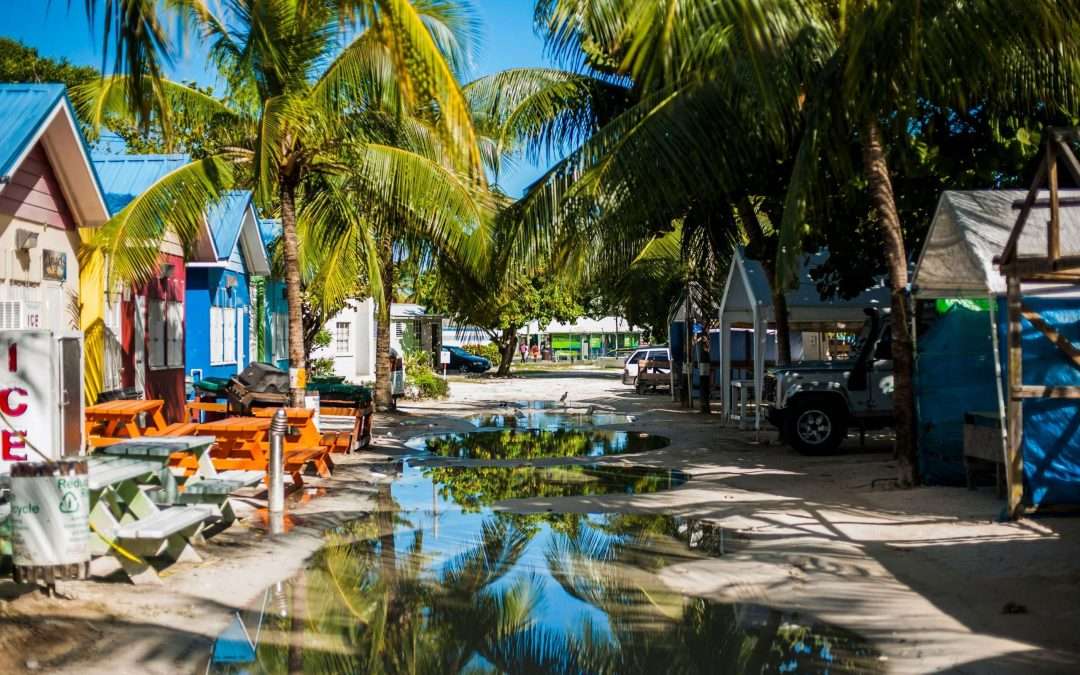
When you close your eyes and picture the Caribbean, I bet images of teal waters, reggae drifting on the wind, and beach-side happy hour pop up. But let me take you on a detour, right off the glossy tourist trail, into a true tale that rattled not just these islands, but the whole arc of world history. What most textbooks barely skim is that the story of European colonization here isn’t just about ships and sugar. It’s about stolen dreams, battles for survival, epic resilience, and how all of that still hums in the heartbeat of the Caribbean today.
Columbus Drops Anchor: Life Flips in 1492
So, let’s rewind to 1492. Sure, your teacher might say that’s the year “Columbus discovered the Caribbean,” but ask any of the Indigenous folks living here, and they’d give you an eyeroll. He didn’t discover; he gatecrashed. His arrival set off a furious scramble for gold and glory among Spain, France, England, and the Netherlands – like a realty show with islands as the grand prize (historians call it a great race for riches).
Before he showed up, the Caribbean was this stunning mosaic of Indigenous cultures (archaeologists are still uncovering those hidden stories). But all it took was a handful of years for disease, war, and slave raids to gut entire communities. I’ll be blunt: it’s one of the darkest plot twists in all of history.
Colonial Free-for-All: Borders on Shuffle
The Caribbean went from paradise to prime battleground almost overnight. Colonizing powers squared off like it was some wild board game, swapping flags, swapping laws, and turning everyone’s lives inside out (just glance at a colonial-era map). Imagine waking up English, then by dinnertime, you’re French. Locals had to keep up with constant changes – and it wasn’t just paperwork, it was a new batch of rules and rulers each time (layers of drama, each with their own flavor of exploitation).
Sugar Rush: Profit Built on Pain
Wondering why the Caribbeans sparked so many fights? Simple: sugar. Those canes weren’t just sweet – they were more valuable than gold. But sugar meant plantations, and plantations meant an endless need for labor. Enter: the forced migration of millions of Africans, yanked from their homes to toil on these foreign shores (Britannica explains the scale, the United Nations breaks it down).
It’s hard to wrap your head around the cruelty: people ripped from families, violence doled out daily, all to quench Europe’s sweet tooth. England planted its flag on places like Saint Christopher (1623), Barbados (1625), and Jamaica (1655) – fortunes wracked up on the backs of people robbed of their freedom (the sugar demand story here). That old trade triangle – Europe, Africa, Caribbean – spun round and round in a dizzy cycle of stuff, suffering, and cold hard cash.
Lost Voices: What Happened to the First Inhabitants?
If there’s one part of Caribbean colonization that always gnaws at me, it’s this: what was erased. The Taino, Kalinago, and other Indigenous folks had deep roots here—beautiful art, advanced farming, and whole worlds of belief. European guns and germs wiped most out. Today, modern scholars (like those from Florida Museum) are working overtime to lift those voices up again. Makes you think about everything we never got to learn from them, right?
Colonial Shadows: The Long Afterglow
This isn’t just ancient history. Colonial rules and systems have a sneaky way of sticking around. Those old colonial blueprints – school systems, courtrooms, economic plans – became the skeleton for today’s Caribbean countries. Research shows (here’s a deep dive and more on scientific legacies) that overcoming those built-in obstacles isn’t just about rewriting laws. The so-called “colonial hangover” shapes who gets a fair shot – from government to grub at the grocery store. It’s like the islands are still shaking off colonial dust in every corner.
Whirlwind of Flags: The Lingering Rivalries
Here’s some real-deal trivia for you: some Caribbean islands swapped flags over 10 times! Imagine the confusion – new rules, new taxes, new tongues each decade. That’s why Aruba is Dutch, Martinique is French, and there are English afternoon teas in Barbados even now.
- Saint Kitts: English, French, English again – grounded, yet ever in flux.
- Curaçao: Started Spanish, turned Dutch, then British, finally Dutch once more.
- Hispaniola: Born Spanish, claimed French, now split into Haiti and the Dominican Republic.
Switch-ups like that left locals to roll with the punches or resist – and let me tell you, nobody resisted quite like the maroons. (Respect where it’s due!)
Modern Caribbean: Sparks of Creativity and Hope
Despite so much turbulence, the Caribbean today is a patchwork of stunning resilience and color. Colonialism left bruises, but it also forced communities to create and adapt in beautiful, unexpected ways. The result? A wild fusion of music, food, language, and culture that makes every island feel buzzy and unique.
The fight for justice isn’t over – far from it. Whether it’s grassroots political change or bold beats in dancehall, islanders remix and reclaim their story every day. Step off that airplane, and you’ll feel it: jokes cracked, deals made, life pulsing forward. No matter what’s in the past, no one’s waiting to be defined by old pain – though a touch of sass doesn’t hurt either (or a stray rum punch, honestly).
FAQs on Caribbean Colonization History
- Why did Europeans crave the Caribbean so much?
Bottom line: money. Sugar, spices, and those perfect sea lanes turned the islands into hot real estate. See this detailed breakdown. - What became of the Indigenous people?
Tragically, most perished – from disease and violence. But fresh research is giving their stories a voice again. - How did colonization shape how the Caribbean looks today?
It set up the region’s racial, social, and language patchwork. Here’s the background. - Is the Caribbean still dealing with colonial aftershocks?
Absolutely. Old-school colonial systems still shape land, politics, and who gets ahead. This blog tells the story. - Can I tour colonial history sites?
Oh, for sure. From ancient forts to old plantations, history’s open for visits. Pro tip: tip your guide—local wisdom’s worth every cent.
Wrapping Up: Why We Still Need This Story
The saga of European colonization in the Caribbean isn’t a fairy tale – it’s gutsy, raw, and absolutely crucial for understanding what makes these islands tick. Remembering this history doesn’t turn beaches gray; it just adds truth and texture to the sunshine. This isn’t just the backstory for resorts – it’s a living legacy, with wounds and wonders both.
So if you stumble on a missing fact or want to call out a typo I missed (my spellcheck is only so good!), drop your thoughts below. Let’s keep talking, learning, and honoring every single island story. And next time you’re toasting at sunset, pour a little out for all those who came before us, wouldya?