
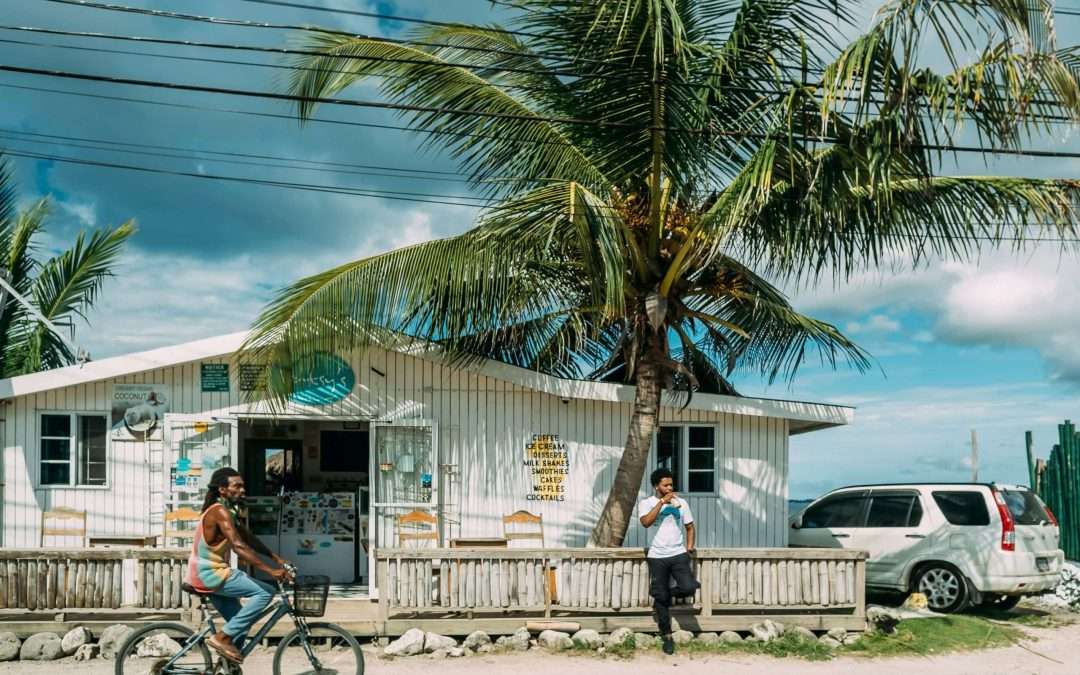
If you asked me what first comes to mind about the Caribbean, I’d probably blurt out sandy beaches or teal seas, maybe the odd reggae beat, or a sunrise cocktail with a tiny umbrella (don’t judge). But let me spill a little secret: as I’ve discovered on my wanders, the Caribbean is also a wild, unbeaten path for coffee lovers. Forget your average drip, folks—these islands pour a cup that’s anything but ordinary. So, grab your favorite mug and come along as I explore the warmth and wonder of Caribbean coffee.
The Roots of Caribbean Coffee Culture
Who knew paradise had such a deep love affair with coffee? The story goes back to the 1700s, when those first magical coffee plants landed on the islands. They thrived in that lush climate, burrowed into rich soils, and soon enough—thanks to the perfect mix of mountain mist and sunshine—Jamaica’s Blue Mountains became legendary. The Caribbean’s obsession with top-tier beans is real, and it shows in every cup you sip beneath a palm tree.
The Famous Five: Coffee Hotspots of the Caribbean
- Jamaica: The rock star here is Blue Mountain Coffee, grown so high up you feel half in the clouds and half in a dream—most of it gets snatched up overseas before locals even get to sniff it.
- Dominican Republic: Mountains, microclimates, and beans with a bold, punchy flavor—think carnival in a cup, with nutty notes that wake up your taste buds.
- Haiti: Shade-grown and handpicked by folks who really care, Haitian coffee leans clean and vibrant. Lately, brands like Caribbrew are helping it bounce back onto the world stage.
- Cuba: Up in the Crystal Mountains, quartz-rich soil adds a distinctive earthy-sweet twist, making Cuban coffee a real one-off treat.
- Puerto Rico: Once ruling global breakfast tables, Puerto Rico’s mountain-grown beans (deep, chocolatey, dreamy) are staging a much-deserved comeback.
To borrow a quote from Perfect Daily Grind, these five islands are “the backbone of Caribbean coffee’s diversity”—each makes their own music, all in the same remarkable band.
Flavors Shaped by Island Geography
Trust me, there’s coffee, and then there’s Caribbean coffee. The flavor dance here owes everything to wild geography—clingy mountain fog, volcanic soil, and the kind of rainfall that feels like the sky itself is nurturing every seed. From the smoothest sips in the Blue Mountains to Haiti’s zingy highland brews, every island paints a new flavor portrait. You’ll spot everything from chocolate to citrus, spice to silk, depending on where you visit. CoffeeAM points out how island microclimates make even neighboring beans wildly unique.
The Economic Impact (and a Little Adventure)
Here’s a little-known tidbit: the coffee in your mug does way more than shake off your sleepiness. Coffee (and, yes, sugar) are economic engines here, helping island communities thrive. And let me tell you, going off the beaten path to visit a Caribbean coffee plantation is nothing short of an adventure—just don’t wear your whitest sneakers if you value them. Royal Caribbean shares how these tours provide a backstage pass to generations of tradition while directly supporting local growers.
Sustainable, Ethical, and Seriously Good
One thing sets Caribbean coffee producers apart, and it’s not just the taste—there’s real heart in every batch. More islands are focusing on paying farmers fair wages, nurturing their land without chemicals, and roasting in small, careful batches. Brands like Caribbrew in Haiti are pioneers here: high-altitude, small-batch, and making a real impact in their communities. I’d call it soul-in-a-cup, and it shows that sometimes, the feel-good factor pairs perfectly with rich, complex brews.
All About the Plantation Experience
Let’s be real—nothing beats wandering through a real coffee plantation. In Guadeloupe, for instance, you can stroll the rows, breathe in that heady, fresh-picked bean scent, and watch the magic of coffee making from berry to brew. The mud on your boots is part of the fun (and honestly, proof you’ve earned your caffeine fix). Rachel’s Ruminations offers a great walk-through if you want a sneak peek at what to expect.
Tradition Meets Innovation
The coffee scene is always shifting, even on sleepy island afternoons. In places like Antigua, you’ll find new wave roasters like Caribbean Coffee Roasters going hands-on with each batch, while cool cafes blend old traditions with bold twists—think coffee and rum mashups that tip a hat to history, then dive bravely into the present. It’s a culture evolving to its own steady beat, yet always rooted in those original island values.
Best Coffee Caribbean: Where to Start?
- Jamaica Blue Mountain Coffee: World-famous, and for good reason. Smooth, a bit nutty, and gentle enough to sip all day.
- Haitian High-Elevation Beans: Lively, naturally sweet, and extra crisp—definitely my go-to for a morning lift.
- Cuba’s Crystal Mountain Coffee: Full-bodied and slightly spicy, with a whiff of mineral from those quartz soils.
- Dominican Republic Barahona: Velvety, layered, and ending with a caramelly flourish you won’t forget.
- Puerto Rico’s Yauco Selecto: Chocolate tones mixed with fruity, lush richness—quite possibly the unsung hero of my coffee daydreams.
FAQ: Caribbean Coffee Questions Answered
- Why is Caribbean coffee pricier than most?
The best beans come from tiny harvests, hand-picked with care. Thin mountain soils, hands-on processes, and that island magic make each batch a rare treat—and, honestly, worth the extra bucks if you ask me. - Can I actually tour a Caribbean coffee plantation?
Absolutely! Tours are offered in Jamaica, Dominican Republic, Puerto Rico, Guadeloupe, and a few more. Book ahead and go chat with the real growers—you’ll learn, laugh, and drink a ton of fresh coffee. (Don’t miss the chance for a selfie with a basket of beans!) - What makes the flavors so unusual?
Every island is its own world. Blue Mountain is silky-smooth and subtle, while Cuban and Haitian coffees go deep, bold, even a little spicy. Taste your way around and you’ll get the hang of it! - Are these coffees really sustainable?
More and more, yes. Check for shade-grown, organic, or fair-trade marks, and lean into brands that put farmers and land first. It’s a real feel-good sip. - Where’s the best spot to buy Caribbean beans?
Specialty importers online, boutique grocers, or—my top pick—scooping up a bag direct from a local producer during your next island trip. (It’s fresher, trust me.)
Conclusion: More Than a Cup, It’s a Culture
For me, Caribbean coffee is more than just that morning pick-me-up. It’s a rich, living tradition, a swirl of old stories and new innovations, and every cup tells a different tale. Whether you’re dreaming about the next adventure or want to liven up your kitchen brew, there’s a whole world waiting in these island beans. So next time you travel—or just crave some sunshine in your cup—skip the usual and try something Caribbean-grown. And hey, if you’ve got a favorite cup or a wild coffee memory, share it in the comments. I’m all ears and always ready for another adventure, even if I have to dodg a bit of caffeinated enthusiasm along the way!