
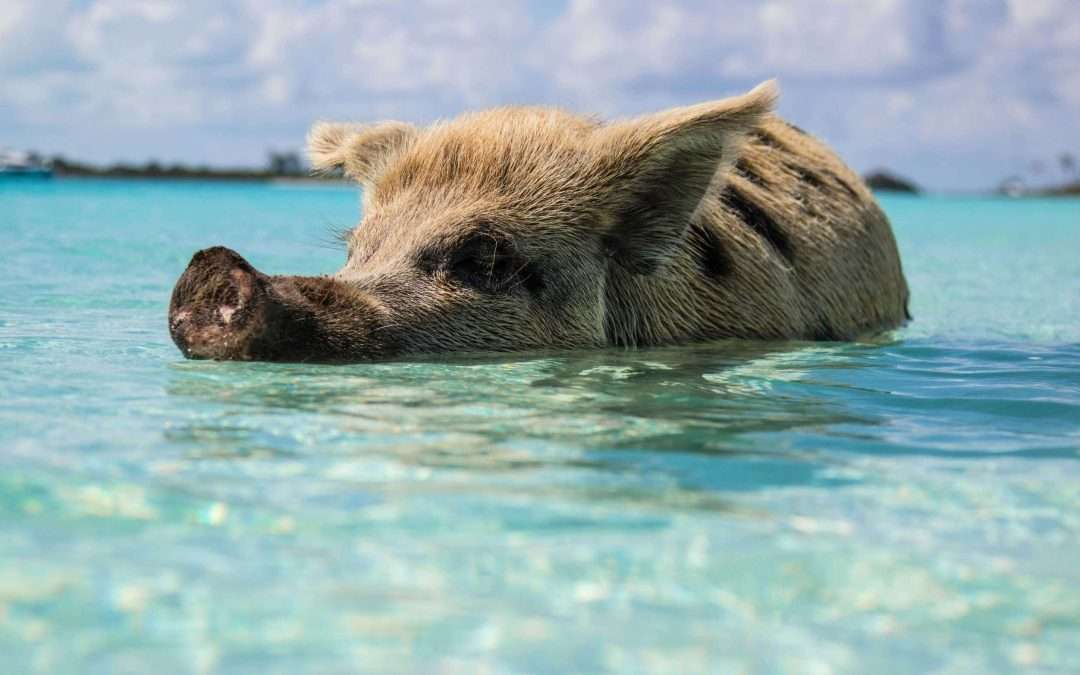
Let me paint a picture: It’s Monday, and I’m tapping out emails by the ocean, feet in the sand, not a sleet-filled forecast in sight. That isn’t a daydream—it’s real life in the Caribbean for remote workers. I’ve spent hours sipping questionable airport coffee while researching the best corners of these sunny islands, imagining my laptop perched beside a coconut. Whether this is your first leap into island living or you’re just daydreaming in your cubicle, I’ll walk you through everything you need to snag your spot as a digital nomad in the Caribbean. We’ll cover the hottest islands, visa ins and outs, real-life costs, and a few pitfalls to dodge.
Why the Caribbean? Beaches, Breezes, and Blazing WiFi
A few years ago, the idea of working remotely from a Caribbean isle might have sounded like a lottery ticket fantasy. After the pandemic, though, “the office” could mean wherever you plop down your laptop. The Caribbean has noticed—and answered—by updating its tech game and unveiling remote worker visa programs that basically roll out the welcome mat for us sun-chasing keyboard warriors. Barbados kicked things off in 2020 with its famous Welcome Stamp, and suddenly, a bunch of other islands wanted in on the action (source). Fast forward, and remote work in the Caribbean is a full-blown vibe.
Best Caribbean Islands for Remote Workers
- Barbados: The OG of remote work visas with its 12-month Welcome Stamp. Reliable WiFi, paradise beaches, Bridgetown buzz, and rents spanning $800-$2,000 per month. Odds are, you’ll find your sweet spot (more here).
- Dominica: Dominica’s Work in Nature lets you stay up to 18 months, soaking in waterfalls and mountain air until you forget what an ice scraper is (see why).
- Curaçao: It’s not just about eye-popping blues! There are coworking spaces, jazzed-up internet, and everything you need to take “work from home” seriously offshore (read more).
- Bahamas & Jamaica: Both islands have rolled out the digital nomad welcome wagon. New visa options make living and working here not just doable but super legal (find info).
- Aruba: If you want sun, sand, and a wow-factor for three months without a year-long commitment, Aruba brings it. Infrastructure here is as friendly as the locals.
- Puerto Rico: For us US passport holders, it’s almost cheating: the island life, but without customs lines or currency exchanges (here’s why).
Digital Nomad Visas: The Caribbean Cheat Sheet
Since Barbados opened the gates, almost everyone else followed suit. Each island’s remote visa program has slightly different flavors:
- Barbados Welcome Stamp: Work remotely for 12 months. You’ll need to show at least $50,000 annual income. Not a bad swap for daily beach walks.
- Dominica Work in Nature: With 18 months in paradise, this is perfect for slow travelers (details).
- Bahamas Extended Access Stay: Apply and enjoy work-from-anywhere life surrounded by those legendary blue waters.
- Jamaica’s “Jamaica Remote”: Launched recently, it makes trading traffic jams for reggae rhythms a breeze (see more).
Check each island’s website for the latest requirements, as they do sometimes switch things up. Many schemes are built to be accessible for folks from the US, UK, and the EU.
What About WiFi, Coworking, and “Island Infrastructure”?
Let’s be honest—paradise is only paradise if your video calls don’t freeze halfway. Thankfully, places like Aruba, Curaçao, and Barbados have really invested in solid internet. I always ask a host for a speed test screenshot before putting down a deposit.
Plus, coworking spaces have popped up everywhere. Picture yourself with an ocean view, unlimited AC, and coffee that would make your local barista jealous. A small note: the further off-grid you wander, the more you should lean on backup options like a SIM card hotspot.
Tax Perks and Financial Surprises
Beyond the obvious benefit of sand between your toes, many Caribbean islands offer appealing tax setups. If you’re working for a company outside the country, you may not owe local income taxes (read up). Some places do charge a one-off application fee for visas, so always weigh the pros and cons for your own wallet. Before packing my flip flops, I double check my plans with a tax pro. Nothing kills a vibe faster than surprise tax bills!
What’s A Day Really Like?
Curious what daily life looks like? Here’s how my routine shakes out:
- Sneak in a few productive hours at sunrise—Caribbean mornings are magic!
- Lunch break: spicy jerk chicken or the sweetest mango, depending on where I land.
- Mid-afternoon dip in the sea between meetings (because why not?).
- Evenings are for sunsets and beach walks, laptop closed, coconut in hand.
Work-life balance here isn’t a buzzword; it’s just how things run. I love it (see more).
How Much Does It Cost to Live the Dream?
Let’s talk numbers but keep it real: Your mileage will vary. Barbados rents can swing from affordable to full-on luxury ($800-$2,000/month). Dominica or out-of-the-way Jamaica towns can be gentler on your wallet. Grocery prices dip if you shop the local stalls rather than imported stuff (my cheese habits did suffer, not gonna lie). The best adventures though—think snorkeling, hiking, and sunset swims—are usually free. It’s pretty easy to strike a balance between budget and bougie if you do some homework.
Potential Pitfalls: Island Edition
- WiFi slowdowns: Step too far from town centers, and you might deal with wobbly connections. Always test before you commit!
- Hurricane season alert: From June to November, weather gets wild. I always get insurance and sometimes pick a less storm-prone spot in those months.
- Cost curveballs: Imported goods are expensive. Being clever with shopping (and maybe skipping fancy wine now and then) helps keep things in check.
Overall? A few quirks, but I’ve found the trade-offs worth every sun-soaked minute.
Why Do Islands Love Remote Workers?
There’s something pretty cool happening here: Instead of floods of tourists staying a weekend, remote workers like you and me bring steady cash, help local businesses thrive, and encourage upgrades in WiFi and infrastructure. It’s a neat feedback loop—the longer we stick around, the better everything gets for the next crew (get the facts).
FAQs: Remote Work in the Caribbean
- Do I need a special visa to work remotely?
Most of the time, yes. Check each island’s rules, as most now have a digital nomad or remote work visa program. - How is the WiFi?
In major towns, it’s solid. Rural spots can be spotty, so ask for proof before locking in a rental. - Is it easy to meet othr remote workers?
Absolutely. Coworking spaces, meetups, and WhatsApp groups for expats make buddy-finding a breeze. You’ll never want for company at a beach bonfire. - Are the income requirements strict?
Some programs have minimums (like Barbados at $50k per year); others, like Jamaica or Dominica, are more flexible. - Which island should I choose?
Depends on your preference: Tech and reliability? Try Barbados. Wild nature? Dominica’s your jam. Somewhere in-between? Check this list for inspiration.
Conclusion: Should You Make the Jump?
If you’re tired of staring at gray skies, or just need to shake up your 9-to-5, there’s truly never been a better time to snag a spot in the Caribbean sun. Between easy visas, zippy WiFi, tax perks, and a lifestyle that’s genuinely relaxed, the remote work Caribbean dream is wide open. Toss that sweater in the back of your closet, grab some sunscreen, and come see what it’s all about. Got questions, a favorite island, or need a push? Drop a comment below or come daydream coconuts with me. Catch you on the next tide!